Lucki Type Beat Provides the Perfect Melancholic Trap Vibe for Creative Artists
Key takeaways
- Lucki type beats often feature tempos around 130-135 BPM.
- They are characterized by moody, melancholic melodies and ambient sounds.
- The key of Lucki type beats frequently revolves around minor scales, such as B minor.
- Lucki type beats blend trap elements with emotional and introspective vibes.
- Free and purchasable Lucki type beats are available online, including from producer ozi.
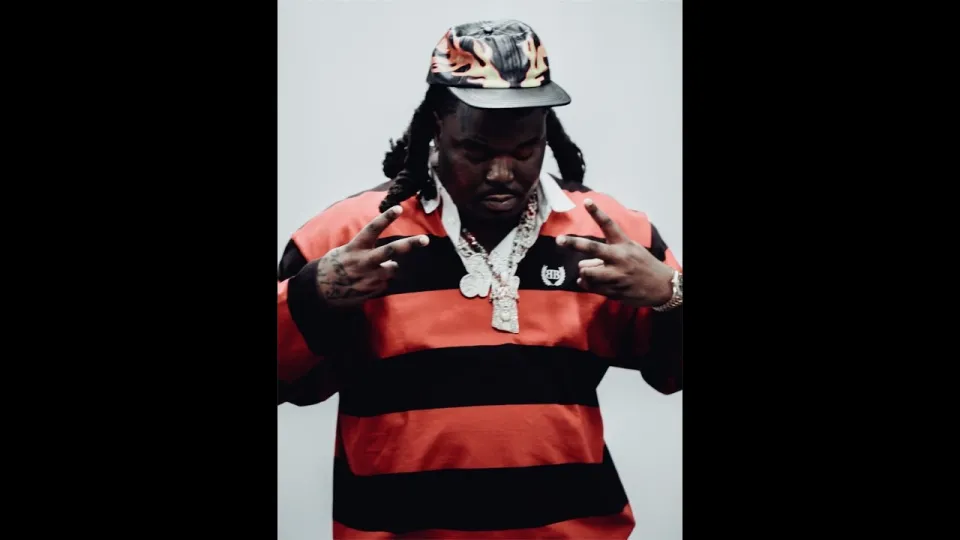
Video: (FREE) Lucki Type Beat - "Demand"
Lucki type beats have become a staple in the trap and melodic rap scene, known for their unique blend of melancholic atmospheres and rhythmic trap elements. These beats typically feature a moderate tempo around 133 BPM and often use minor keys like B minor to evoke deep emotions. This style provides artists with a sonic canvas that balances moodiness and energy, ideal for storytelling and introspection.
What Is a Lucki Type Beat
A Lucki type beat mimics the signature sound and vibe commonly found in the music of rapper Lucki. His style is defined by laid-back flows over beats that combine ambient pads, simple yet emotional melodies, and trap percussion. Producers create these beats to help artists capture Lucki's introspective and sometimes somber mood. These beats usually feature:
- Slow to mid-tempo range (130-135 BPM).
- Minor keys to support a melancholic tone.
- Sparse, atmospheric instrumentation.
- Trap drum patterns with hi-hats, 808s, and snares.
Such elements make Lucki type beats versatile for artists looking to explore themes of vulnerability, struggle, or reflection.
Key Musical Characteristics of Lucki Type Beats
Lucki type beats stand out for their emotional depth and minimalistic style. The key characteristics include:
- Tempo: Typically around 133 BPM, which provides a steady yet relaxed pace.
- Key Signature: Commonly B minor (as seen in ozi's "Demand" beat), which lends a dark and somber mood.
- Melody: Simple, repetitive melodic lines often using piano, synth pads, or subtle guitar samples.
- Drums: Trap-style percussion with rolling hi-hats, punchy 808 basses, and crisp snares.
- Atmosphere: Ambient layers and reverb create a spacious, immersive sound environment.
These musical choices help convey the emotional depth Lucki is known for, supporting lyrics that often explore personal challenges and existential themes.
Using Lucki Type Beats for Music Creation
For artists aiming to create authentic Lucki-inspired tracks, here are practical steps:
- Select the Right Beat: Choose a beat that matches the emotional tone you want, such as the free Lucki type beat "Demand" by ozi, which is B minor and 133 BPM.
- Write Reflective Lyrics: Focus on personal experiences, emotions, and introspection to align with the beat's mood.
- Flow and Delivery: Use a laid-back, melodic rap flow to complement the beat's chill, somber vibe.
- Mixing: Keep the vocals clear but slightly blended with the atmospheric elements to maintain the immersive feeling.
Producers like ozi offer free and purchasable Lucki type beats that come with clear usage terms, making it easy for creatives to legally use them and develop their sound.
Where to Find Quality Lucki Type Beats
There are multiple platforms and producers providing Lucki type beats, either free or for purchase:
- Beatstars: Producers like ozi offer beats with options like "Buy 1, Get 1 Free" deals, providing good value. For example, the beat "Demand" is available at https://bsta.rs/JnVmO3.
- YouTube Channels: Channels such as ozi upload free Lucki type beats regularly, often with clear crediting instructions.
- Instagram and Social Media: Producers promote new beats and collaborations on platforms like https://instagram.com/youknowozi.
Choosing beats from reputable sources ensures quality production and proper licensing for non-profit or commercial use.
Common Questions About Lucki Type Beats
Many artists wonder about the usage rights, style variations, and how to stand out with Lucki type beats. Typical concerns include:
- How to legally use free Lucki type beats?
- Differences between old Lucki type beats and newer styles?
- How to incorporate hard or fast trap elements while maintaining Lucki's vibe?
- Ways to make a Lucki type beat unique for one's own music?
Understanding these aspects helps artists navigate the creative and legal landscape of using type beats effectively.
Useful Links
- Purchase and download Lucki type beats from ozi: https://bsta.rs/JnVmO3
- Follow ozi on Instagram for updates: https://instagram.com/youknowozi
- Browse more beats at the official beatstore: https://youknowozi.beatstars.com
Итог
Lucki type beats offer a distinct blend of melancholic melodies and trap rhythms that resonate with artists seeking emotional depth in their music. Producer ozi’s free Lucki type beat "Demand" is a prime example, combining a 133 BPM tempo with a B minor key to create a moody yet engaging instrumental. Whether for non-profit projects or commercial releases, these beats provide a solid foundation for introspective and melodic rap. For access to quality Lucki type beats and to support your music production journey, visit ozi’s Beatstars page at https://bsta.rs/JnVmO3.
Source: (FREE) Lucki Type Beat - "Demand" · Markdown version
Questions & answers
Can I use free Lucki type beats for commercial projects?
Most free Lucki type beats, including those by ozi, allow use for non-profit purposes only unless you purchase a license. Always check the specific terms provided by the producer before commercial use.
What tempo and key are typical for Lucki type beats?
Lucki type beats commonly have tempos around 130-135 BPM and are often composed in minor keys like B minor to create a melancholic atmosphere.
How can I make my Lucki type beat stand out from others?
To differentiate your Lucki type beat, experiment with unique melodic samples, vary drum patterns, or incorporate ambient textures while maintaining the core melancholic vibe.
Where can I find high-quality Lucki type beats for purchase?
Platforms like Beatstars feature producers such as ozi who offer Lucki type beats with clear licensing options, including deal bundles like Buy 1, Get 1 Free at https://bsta.rs/JnVmO3.