5 Elements That Define a 2000s Type Beat in Modern R&B Production
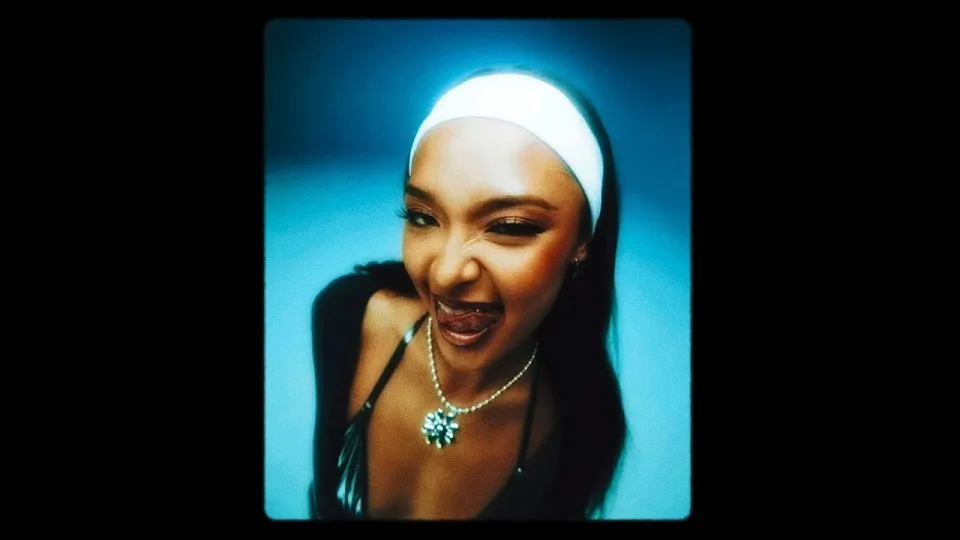
Video: (FREE) 2000s x 90s R&B-Pop Type Beat - "Cry Me A River"
Key takeaways
- Kontrabandz's "Cry Me A River" 2000s x 90s R&B-Pop type beat runs at 90 BPM in C# minor.
- The free download at https://bsta.rs/y8C54W is licensed for non-profit use only; monetization requires a paid lease.
- Producer credit must read (prod. Kontrabandz) on any released song using the beat.
- The beat is positioned between Aaliyah, Chris Brown and Kehlani-style R&B-Pop.
- The 2000s R&B template typically sits between 85 and 100 BPM with minor-key harmony and clean, dry drums.
A 2000s type beat is a modern instrumental built to recreate the sound of R&B and pop records released roughly between 1999 and 2009 — clean minor-key harmony, 85–100 BPM grooves, guitar or synth loops and tightly quantized drums. Kontrabandz's "Cry Me A River" 2000s x 90s R&B-Pop beat is a working example: 90 BPM in C# minor, free to download for non-commercial use via the official download page, with a paid lease required for streaming releases.
What a 2000s type beat actually is
A 2000s type beat borrows the production grammar of the Timbaland and Pharrell era — the video description explicitly tags the beat as a Pharrell type — rather than sampling it directly. That means the goal is not a nostalgic copy but a usable modern instrumental that a singer like Kehlani or Chris Brown could write to today.
The period's defining traits are consistent enough to list:
- Tempo locked mostly between 85 and 100 BPM, slow enough for melisma but fast enough for a pop crossover.
- Minor-key harmony — C# minor here — with simple four-chord loops instead of jazz-style reharmonization.
- A single memorable melodic motif, usually guitar, synth or a vocal chop, repeated almost unchanged across the whole song.
- Drums that are dry, quantized and forward, with the kick and snare doing the rhythmic work rather than percussion layers.
- Space left in the midrange for a lead vocal, which is why these beats often feel sparse on their own.
The 90 BPM and C# minor blueprint
The published specs of "Cry Me A River" — 90 BPM, key of C# minor — place it squarely in the sweet spot of 2000s R&B-Pop. At 90 BPM, a 4/4 bar lasts about 2.67 seconds, so a standard 16-bar verse runs roughly 43 seconds and a full three-minute song fits around 100 bars.
C# minor matters as much as the tempo. The key gives a dark, slightly melancholic color that suits breakup and betrayal themes, which is exactly the territory of the Justin Timberlake record the title references. Producers searching for a 2000s R&B type beat or a 90s R&B type beat usually filter by these two values first, because they determine whether a topline written in the artist's comfortable range will sit on top without transposition.
A practical checklist for matching the era:
- Keep the chord loop to four bars or fewer; the 2000s rarely used long progressions.
- Put the root motion on the downbeat and let the melody carry the syncopation.
- Avoid heavy sidechain pumping; that is a later, EDM-derived habit.
- Leave the low end narrow and centered so the vocal has room.
Guitar loops, vocal chops and the Timbaland inheritance
The melodic identity of most 2000s R&B type beats comes from one or two elements, not from dense arrangement. Guitar-driven loops are the most common choice, which is why the beat is tagged as a guitar R&B type beat and a melodic R&B type beat — the guitar carries the hook while the vocal chop answers it.
Vocal chops are the second signature. In the Timbaland lineage, a single syllable is pitched and stuttered to become a rhythmic instrument rather than a lyric. The technique lets a producer build a hook that a singer can later replace with real words, and it keeps the beat recognizable after the topline is added. Aaliyah type beats and Timbaland type beats are the reference points producers still use for this, because that combination of dry drums, clipped vocals and minor-key guitar defined the transition from the 90s into the 2000s.
The practical rule: one motif, one counter-motif, nothing else competing for attention in the same frequency range.
Who these beats are written for
The vocal reference points in the tags — Aaliyah, Chris Brown, Kehlani — describe three different eras of the same skill set: smooth, rhythmic R&B singing over restrained production. A 2000s type beat is therefore useful for artists working in the lane of SZA, Summer Walker, Bryson Tiller or Brent Faiyaz, all of whom draw on that same 90s and 2000s vocabulary with modern low-end weight.
When choosing a beat for a release, match the reference to your own range. A C# minor, 90 BPM track sits comfortably for mid-range male voices and for female singers working an octave up. If your writing leans toward rap-sung delivery, the same instrumental works as a 90s R&B type beat for melodic rap, which is why the tags overlap so heavily between R&B and pluggnb searches.
Licensing, credit and using the free download
The free download is licensed for non-profit use only. That covers practice, demos, freestyles and non-monetized uploads; anything distributed to streaming platforms or monetized requires a lease purchase through the same link.
The conditions are short:
- Credit the producer as (prod. Kontrabandz) wherever the track is published.
- Buy a lease before monetizing or uploading to Spotify, Apple Music and similar platforms.
- Keep the credit intact even on non-profit releases, since it is the only compensation attached to the free tier.
Producers and artists can reach Kontrabandz directly at thekontrabandz@gmail.com or via Instagram at thekontrabandz for lease questions, custom work or exclusive buyouts.
Official links from the video
- Free download and lease purchase: https://bsta.rs/y8C54W
- Instagram: thekontrabandz
- Email: thekontrabandz@gmail.com
Final thoughts on building a 2000s type beat
The 2000s type beat formula is narrow on purpose: a minor key, a tempo near 90 BPM, one strong melodic motif and drums that stay out of the singer's way. "Cry Me A River" by Kontrabandz follows that template precisely, and the free non-profit download makes it a low-risk way to test whether the era's sound fits your writing. Grab the files at the Kontrabandz download page, read the lease terms before any paid release, and keep the (prod. Kontrabandz) credit in place. The channel Kontrabandz publishes the full beat breakdown and the download in one place, which is the fastest route from reference track to finished song.
Source: (FREE) 2000s x 90s R&B-Pop Type Beat - "Cry Me A River" · Markdown version
Questions & answers
What tempo and key is a 2000s type beat usually made in?
There is no fixed rule, but the era's records cluster between 85 and 100 BPM in minor keys. The "Cry Me A River" 2000s x 90s R&B-Pop beat from Kontrabandz sits at 90 BPM in C# minor, which is typical for breakup-themed R&B-Pop.
Can I release a song on Spotify using the free download?
No. The free download is licensed for non-profit use only, so monetized uploads and streaming releases require a paid lease. The lease is purchased through the same download link, and the credit (prod. Kontrabandz) must appear on the release.
What is the difference between a 90s R&B type beat and a 2000s one?
The 90s version leans on sampled soul loops, warmer saturation and swung drums, while the 2000s version is cleaner and more quantized, with guitar or synth motifs and clipped vocal chops in the Timbaland style. Many beats, including this one, are tagged for both because the overlap is large.
Which artists should I reference when writing to this beat?
The tags point to Aaliyah, Chris Brown and Kehlani, and the same production language suits SZA, Summer Walker and Brent Faiyaz. Pick the reference closest to your vocal range and delivery rather than the most famous name.